- Hablamos Español
- Specializing in Auto Injury Recovery
- Hablamos Español
- Specializing in Auto Injury Recovery
- Hablamos Español
- Specializing in Auto Injury Recovery
Low Back Pain Relief
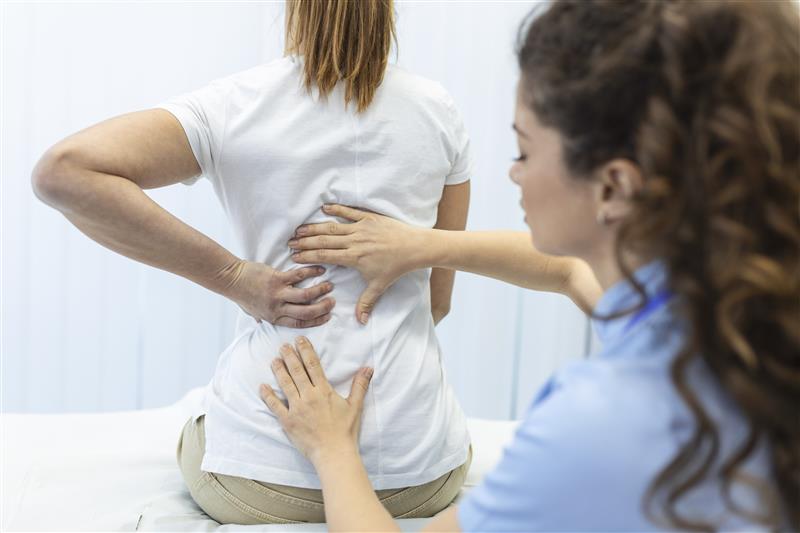
Rediscover Life Without Constant Ache
Understanding Your Pain: Types & Mechanisms
Not all back pain is the same. Educating yourself on the type of pain you have is the first step toward recovery. Common mechanisms we treat include:

-
Mechanical Low Back Pain: Often caused by joint dysfunction or muscle strains. Learn more about mechanical back pain from Harvard Health.
-
Disc Injuries: Including bulging or herniated discs that may press on nerves.
-
Sciatica: Radiating pain, numbness, or tingling that travels down the leg. See how sciatica works via the Cleveland Clinic.
-
Lumbar Spinal Stenosis: A narrowing of the spaces within your spine. Explore stenosis at the NIH.
- Facet Joint Syndrome: Arthritis or inflammation in the small joints of the spine.
Personalized Low Back Treatment Plans
We combine several techniques to provide a comprehensive recovery:
Chiropractic Adjustments: Specialized spinal manipulation to improve joint mobility.
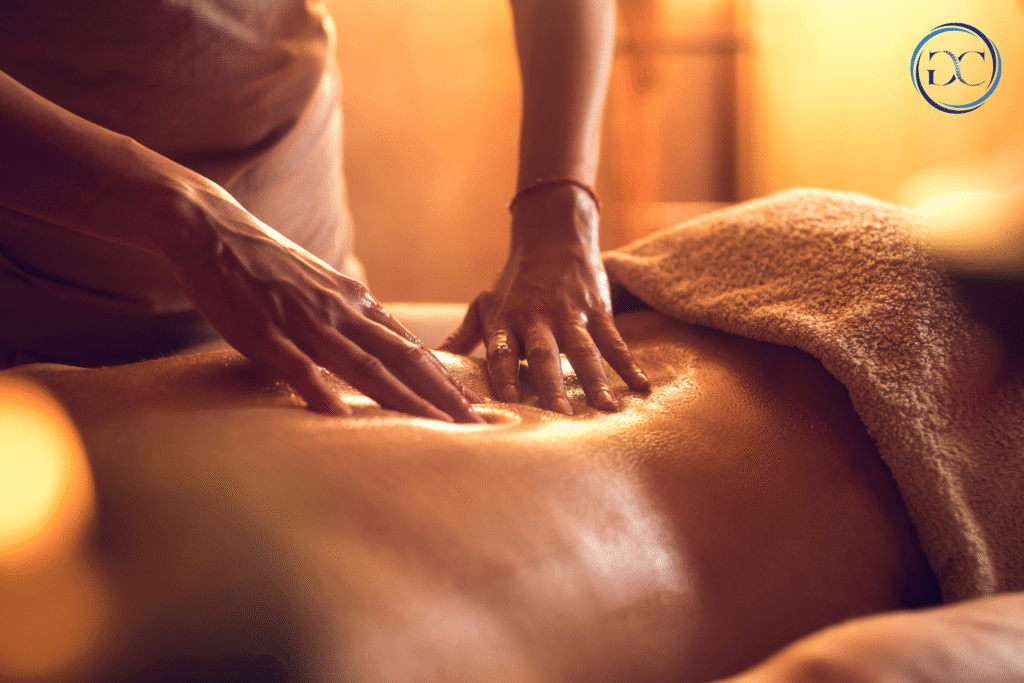
Massage Therapy & Myofascial Release: Soft tissue work to alleviate deep muscle tension in the lumbar region.
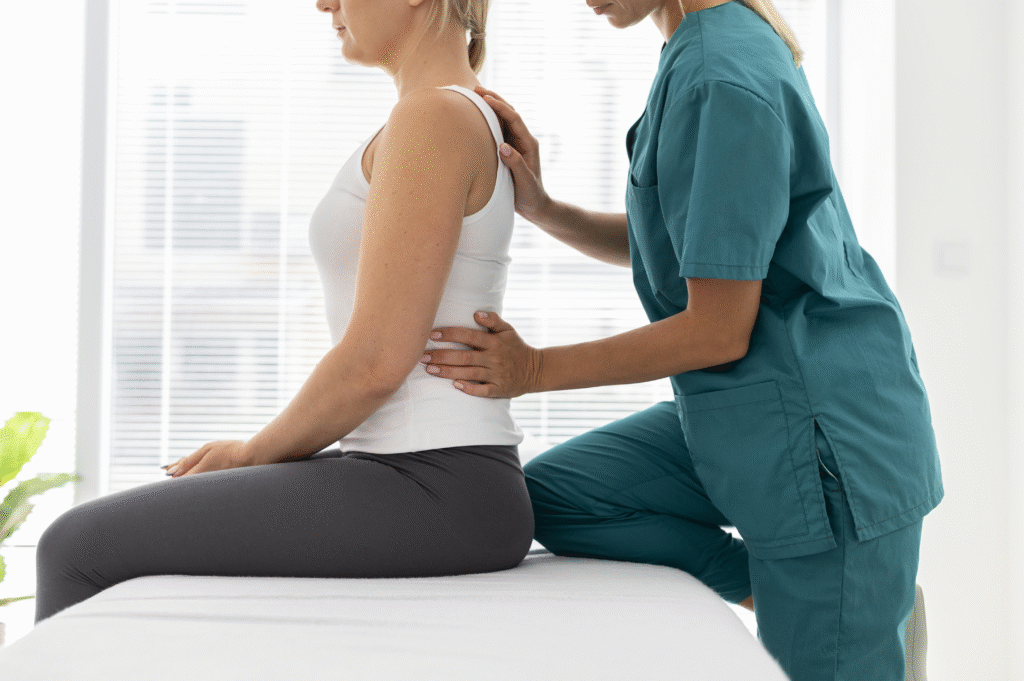
Why Choose Chiropractic for Back Pain?
-
Effective Pain Management: Studies consistently show chiropractic is a top-tier treatment for LBP.
-
Reduced Surgery Risk: Conservative care often helps patients avoid invasive procedures.
-
Improved Mobility: We focus on getting you moving better, not just feeling better.
Schedule Your appointment
Stop living around your back pain. We offer same-day or same-week availability in West Linn to get you on the road to recovery now.
Low Back Pain FAQ
1. Is chiropractic care safe for lower back pain?
Yes. Chiropractic is widely recognized as one of the safest drug-free, non-invasive therapies available for back pain.
2. How many sessions will I need?
Every patient is different. Some feel relief after 1–2 visits, while chronic conditions may require a structured plan over several weeks.
3. What is that "popping" sound during an adjustment?
It is simply a release of gas bubbles (oxygen, nitrogen, and CO2) from the joint fluid, similar to cracking your knuckles.
4. Can you help with a herniated disc?
Yes. We use gentle techniques and spinal decompression to help take pressure off the disc and reduce nerve irritation.
5. Should I use heat or ice?
Generally, ice is best for the first 48 hours of a new injury. Heat is better for chronic, stiff muscles.
6. Will I have to do exercises at home?
Yes. Long-term relief usually requires strengthening the “core” muscles that support the lower back.
7. Can I come in if I'm pregnant?
Absolutely. Many pregnant women find chiropractic care essential for managing back pain during pregnancy.
8. Do I need a referral from my doctor?
In most cases, no. Chiropractors are primary-contact providers.
9. Why does my back pain go down my leg?
This is often due to the sciatic nerve being compressed in the lower back or gluteal region.
10. What should I bring to my visit?
Bring any recent X-ray or MRI reports and a list of your current symptoms or medications.